Flexible Hoses
The flexible hose is not a tank
Flexible hoses are designed for temporary fluid transfer only: prolonged stagnation risks product contamination, hose degradation, and premature failure.

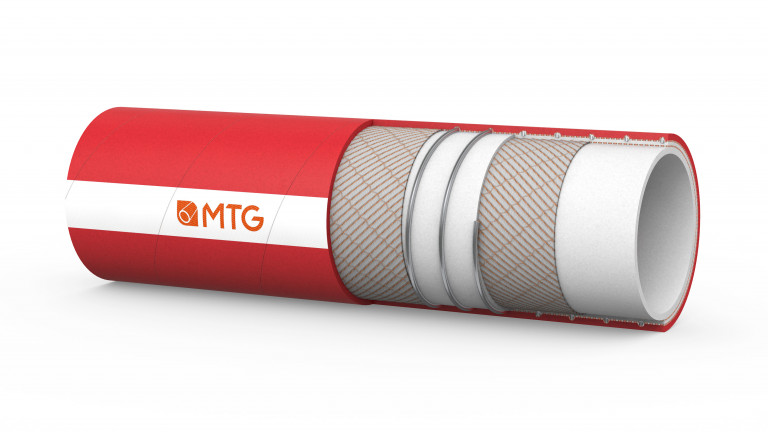
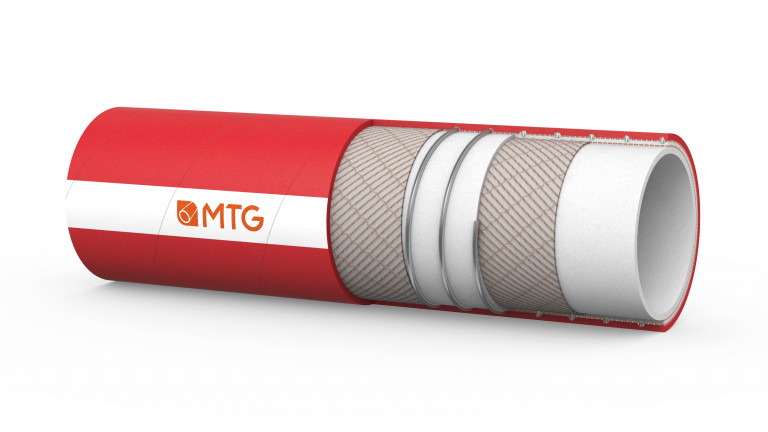
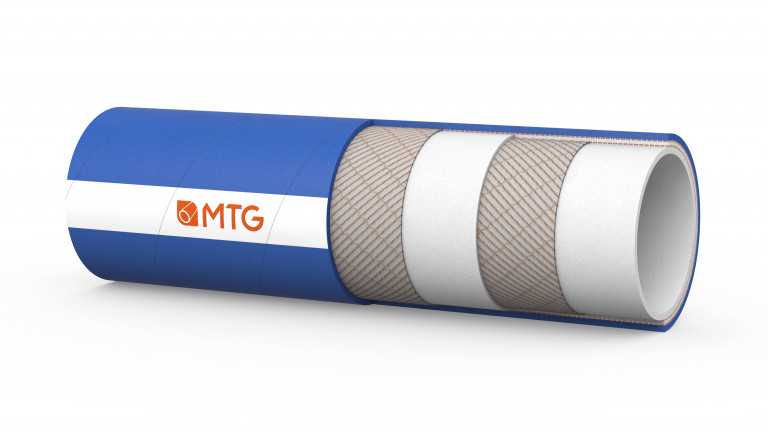
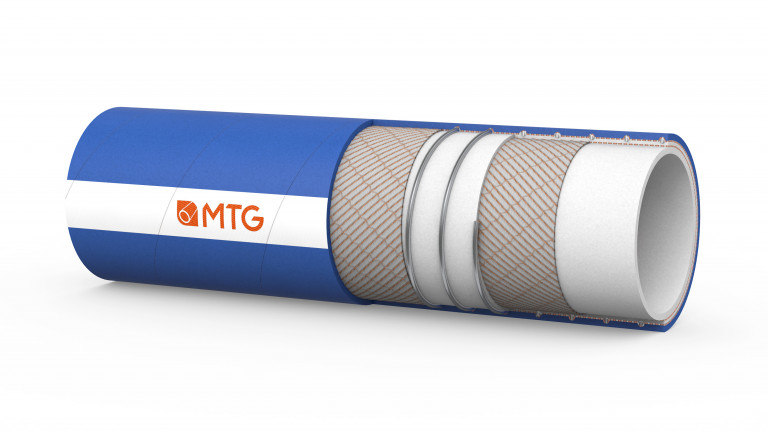
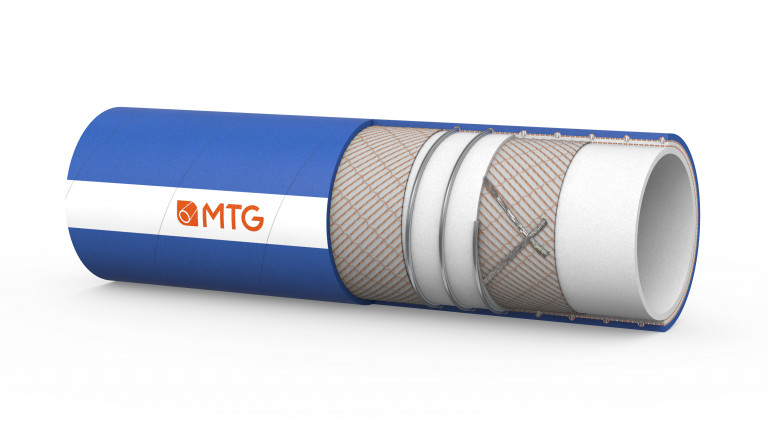
The flexible hose is used to transfer a fluid or a solid or pasty material from one point to another, and is designed according to the application and the material being conveyed. The action always involves movement and never a static condition of stagnation.
Applications of the flexible hose
The flexible hose can be used in a variety of applications, for example as a connection in an industrial plant, as a link between multiple containers, or as an accessory for tanker trucks. It is chosen, in other words, to transfer a fluid or a solid or pasty material from one point to another, and is designed according to the application and the material being conveyed.
The hose is therefore required to convey, suction, or decant (by gravity) a liquid, a gas, or a semi-liquid or solid substance.
The action always involves movement and never a static condition of stagnation. "The flexible hose is not a tank" is one of the most recurring phrases among those who work with flexible hoses, and this statement defines the entire world surrounding them.
Standards and regulations
When we read the scope of the standards governing the design and manufacture of flexible hoses for the various sectors of application, we consistently find that:
- The purpose of a hose is to convey: "to convey" chemical substances in the case of EN 12115;
- The hose is used for the transfer of gas and liquefied petroleum (LPG) in the case of EN 1762;
- The hose is employed for the refuelling and defuelling of aircraft fuel as specified by standard EN 1825.
There are in fact many examples, but they all essentially involve situations of temporary fluid passage. Conversely, should prolonged stagnation of a material occur inside the hose, the consequences could be particularly severe, especially in the chemical and food sectors.
Chemical sector
In the case of a chemical product, an increased contact time may pose a risk of contamination of the product itself, as well as deterioration of the hose, which undergoes chemical attack from the substance being conveyed. A typical example is that of liquid chemical products that behave as solvents and are therefore capable of extracting substances from the materials they come into contact with, degrading them and becoming contaminated in the process.
Another phenomenon that may occur following the stagnation of a chemical fluid is the permeation of the product through the wall of the flexible hose. The resulting risk is that chemical attack may affect all components of the hose structure, including the textile reinforcements and any metal helix. This accelerates the degradation of the hose's physical and mechanical properties and leads to premature end of life. It is therefore no coincidence that, when a hose is used to convey chemical products, it is recommended to empty it after use.
Food sector
In the food sector, the phenomena resulting from stagnation are similar to those encountered in the chemical sector, particularly with regard to the risk of contamination of the conveyed product. The test method prescribed by European food standards for verifying the suitability of rubber compounds for contact with food or beverages deserves separate consideration. These are known as migration tests: they measure the quantity of substances that migrate from the rubber compound into products placed in contact with it. These products are called simulants, as they allow the behaviour of the food products that will be conveyed by the hose under real-use conditions to be simulated.
The simulants have a higher or lower extraction capacity depending on their concentration and temperature, as well as on the contact time with the compound being tested. The contact time is selected based on the intensity of the other test conditions: simulant concentration and temperature. In the food sector, rubber compounds are therefore tested under conditions of more or less prolonged stagnation; however, the purpose of the test is to establish the minimum quantity of product that must be conveyed through the hose within a given time interval, as can be understood by reading the conclusions stated at the end of each migration test.
These tests, too, therefore make it clear that the contact time between the inner surface of a flexible hose and a food product must be limited, and that prolonged stagnation is to be avoided. It should also be noted that permeation of a fluid between the layers of the hose can occur in food applications as well. In this case too, such phenomena can be the cause of premature end of life of the flexible connection.
Conclusions
In conclusion, the application of a hose must always be carefully evaluated in order to prevent improper use. The stagnation of a material falls within this scope, as it can cause damage of various kinds — for example, damage to production in the event that the conveyed product becomes contaminated, or environmental pollution or harm to people should the hose, having reached the end of its service life, release the transported substance as a result of a burst. In cases where stagnation is expected for a more or less extended period of time, we recommend contacting the MTG technical department by writing to info@mtgspa.com.
For further information on hose care and maintenance, please refer to the following article.